
Research peptides are kind of a big deal in molecular biology, biochemistry, and pharmaceutical labs these days. Scientists everywhere use them to dig into everything from how cells talk to each other, how proteins interact, to complex stuff like brain chemistry and immune function.
As the science around peptides keeps pushing forward, researchers trust only high-purity lab-grade peptides to explore complicated biological questions in controlled settings.
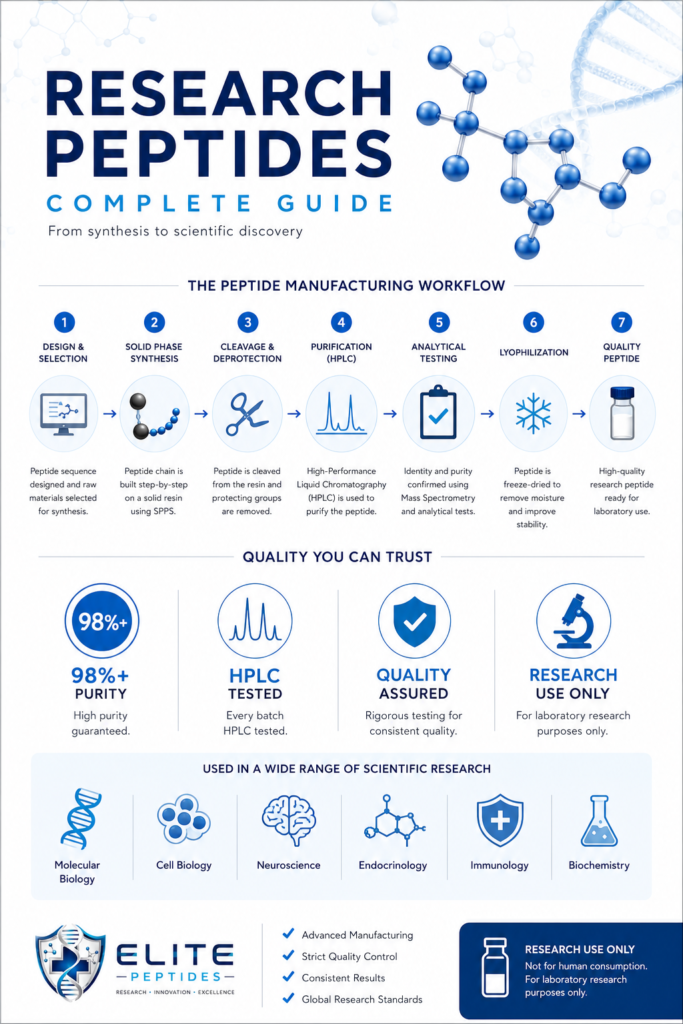
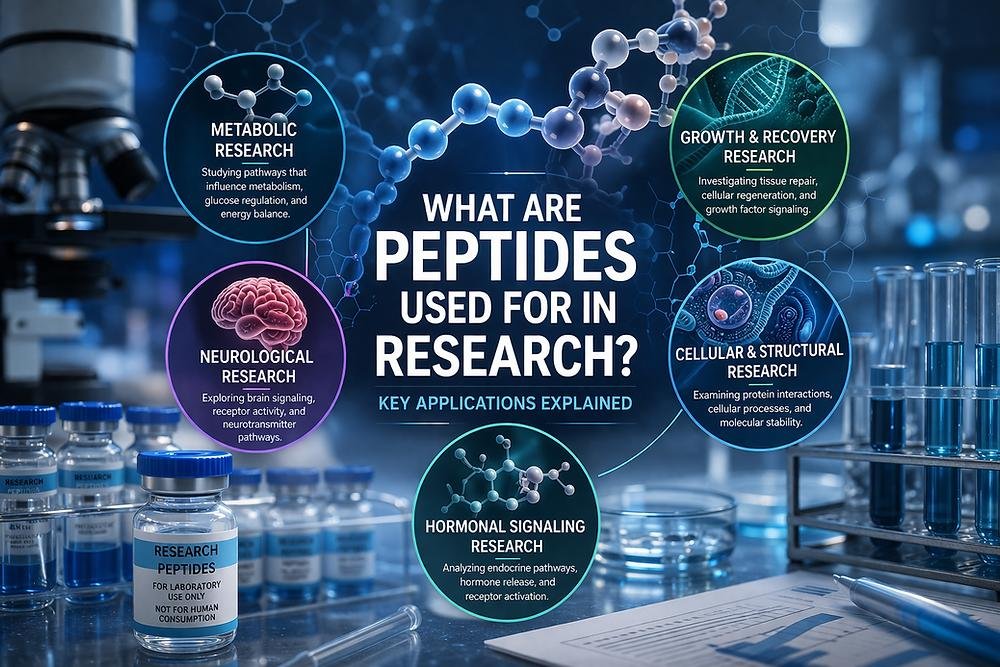
If you’re new to peptide science, the infographic below provides a quick overview of how research peptides are manufactured, tested, stored, and used in modern scientific research before we explore each topic in greater detail.
In this guide, I’ll walk you through the basics: what research peptides actually are, how labs make them, what researchers do with them, the main types, how to store them, testing and quality checks, and how to spot a reliable peptide supplier.
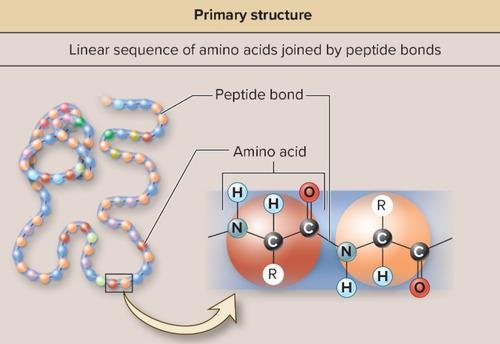
At their core, research peptides are short strings of amino acids that scientists synthesize in the lab for experiments — not for your next round of protein shakes. These aren’t your everyday proteins. Peptides naturally exist in your body and take on all sorts of jobs, mostly as messengers carrying information between cells.
Researchers make peptides to study things like:
Peptides end up being easier for labs to make and study compared to full-size proteins, mostly because they’re short. This means it’s simpler to experiment with them and break down what they do.
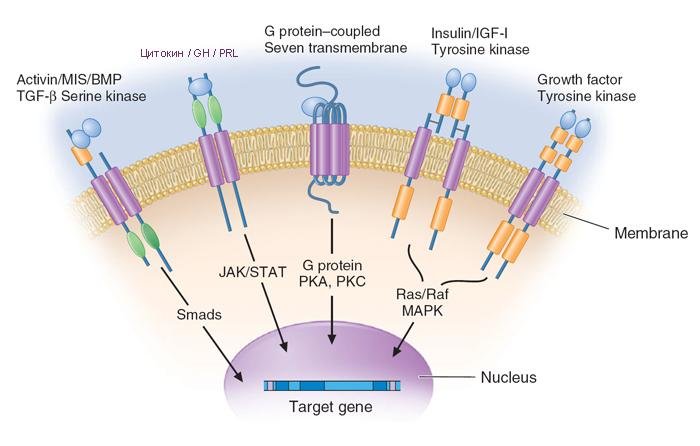
Think of peptides as little mail carriers inside your body. Cells constantly send out these messengers to pass instructions around. Peptides do a lot of the heavy lifting, delivering signals between tissues, organs, and cellular receptors.
Scientists study peptides to understand things like:
And because some peptides bind with razor-sharp precision, they’re go-to tools for digging into how biological systems actually tick.
These days, you can’t do serious biology without them. Peptides let scientists focus on very specific biological pathways — no unnecessary noise from extra variables. You’ll find peptides at the heart of research in:
They’re basically magnifying glasses for the cellular world.
Researchers sort peptides into categories based on what they do or what part of the body they interact with.
These are classics in hormone and receptor research. Some examples:
Scientists study them to figure out how hormones communicate and how receptors respond.
GHRH Analogues
These are focused on the growth hormone-releasing hormone system:
They’re mainly used to study endocrine signals.
Growth Factors
These help researchers understand cell signalling and how the body regulates growth:
Bioregulators
Bioregulator peptides are short, usually tissue-specific, and often come up in studies of muscle, nerve, or even organ function:
Neuroactive Peptides
Naturally, these show up in neuroscience. A few:
Copper Peptides
Mostly about peptide chemistry and interactions because they bind copper:
Thymosin Peptides
Big in cell biology:
You can get weight loss research peptides here
Good research peptides start with precise, modern lab techniques:

Purity is everything here. More pure means fewer leftovers and potential contaminants. You’ll usually see purity levels in percentages — 95% and up is standard for research, and top suppliers often go over 98%.
Why Test with HPLC?
HPLC (High-Performance Liquid Chromatography) isn’t just some buzzword. Researchers need it because it confirms that every vial has the right stuff, in the right amounts, across batches.
Lyophilisation — What’s Up with the Powders?

Most peptides land in your lab as white or slightly off-white powders. That’s because they go through freeze-drying (lyophilisation), which removes water but keeps the peptides stable. The perks: longer shelf life, easy transport, easier to store, and the powder handles better in the lab.
A few key rules:
The right storage goes a long way in preventing breakdown or contamination.

Don’t trust just anyone with your experiments. Smart researchers look for:
Basically, you want quality over a bargain bin price.
Reproducible research depends on peptides that behave the same way, every time. That means manufacturers need rock-solid quality control: from checking ingredients to regular process monitoring, analytical tests, and thorough documentation.
Peptides pop up all over modern labs, including in:
They’re essential tools for understanding how life works at a microscopic level.
Names you’ll hear a lot:
CJC-1295, Ipamorelin, Hexarelin, GHRP-2, GHRP-6, IGF-1 LR3, IGF-1 DES, MGF, PEG-MGF, Tesamorelin, Sermorelin, Semax, Selank, DSIP, TB-500, GHK-Cu, MOTS-C, Epitalon, Bronchogen, Cartalax, Cardiogen
Each has its own set of biological superpowers, and labs pick the one that fits their research question.
It’s simple:
| Feature | Research Peptides | Proteins |
|---|---|---|
| Size | Small amino acid chains | Long amino acid chains |
| Typical Length | 2–50 amino acids | 50+ amino acids |
| Manufacturing | Synthetic SPPS | Biological synthesis |
| Research Uses | Molecular biology, signalling | Structural and functional biology |
| Stability | High when lyophilised | Variable |
Peptide research is only picking up speed. With new advances in chemistry, biotech, and even artificial intelligence, labs are getting better at designing, testing, and using peptides.
Hot areas right now include:
Bottom line: peptides aren’t going anywhere. If anything, they’re about to get even more important.
Research peptides are now pretty much fundamental for digging into how living systems operate — whether you’re looking at cell signalling, hormones, proteins, neural pathways, or anything in between. High-quality peptides, made under strict standards, are non-negotiable if you want your results to actually mean something.
So when you’re ordering for the lab, shop smart. Get only the best, most reliable products from reputable vendors. Peptide science is moving fast — and these little molecules are fueling the discoveries of tomorrow.

Do you want to hide this popup?